History
OUR HISTORY
The History & Legacy of Amar Shaheed Kotwal Dhan Singh Gurjar
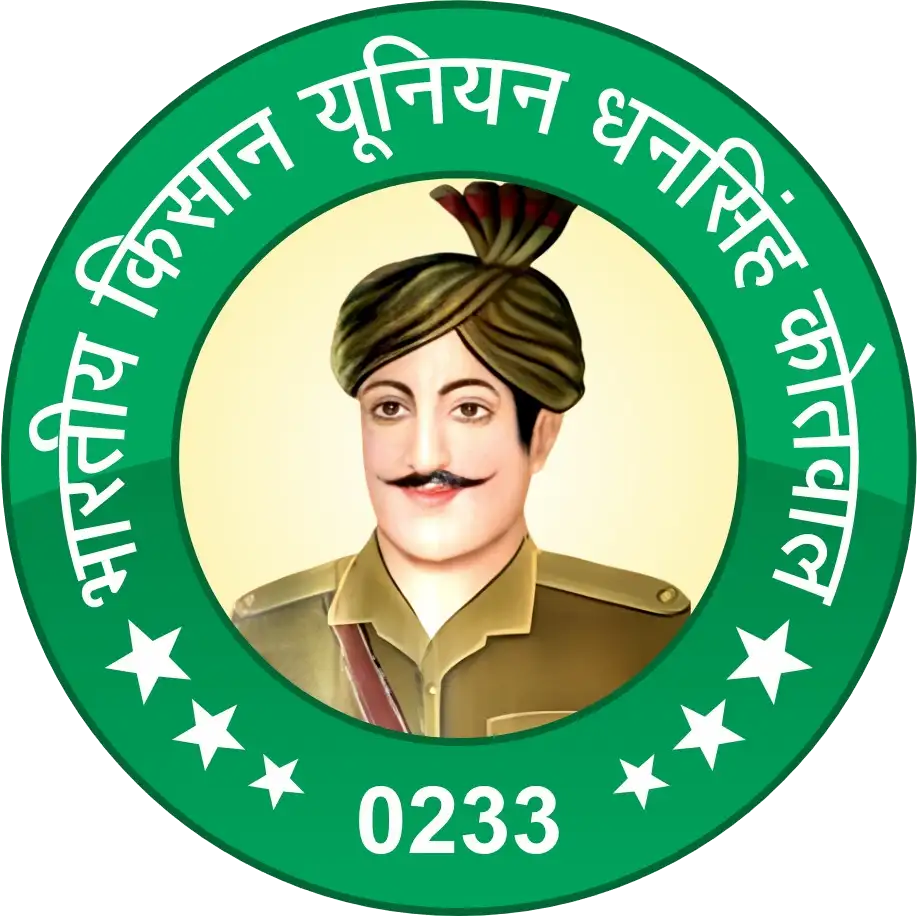
Amar Shaheed Kotwal Dhan Singh Gurjar holds an important place in Meerut’s history and the uprising of 1857. Born in 1820 in Panchali village, he served as the Kotwal of Meerut and became associated with the historic events of 10 May 1857. According to the Government of India’s account, he helped free more than 800 prisoners during the uprising. He was later sentenced to death and hanged on 4 July 1857, and his courage, sacrifice and leadership continue to be remembered in Meerut and inspire Bharatiya Kisan Union Dhan Singh Kotwal.
A Symbol of Courage and Resistance
Amar Shaheed Kotwal Dhan Singh Gurjar is remembered as one of the prominent figures associated with the uprising of 1857 in Meerut. He served as the Kotwal of Meerut and became associated with the resistance against British rule.
Born in 1820 in Panchali village, Meerut, Dhan Singh Gurjar is remembered for his courage, leadership and determination.
The Land Connected with His Legacy
Panchali village in Meerut holds an important place in the history associated with Dhan Singh Gurjar. It was his native village and later became a target of British retaliation.
Meerut was a major military centre under British rule and became the starting point of the historic uprising of 1857.
The Beginning of a Historic Uprising
On 10 May 1857, the uprising in Meerut became a major turning point in India’s struggle against British rule. Indian soldiers rebelled against British authorities and the movement quickly spread.
Dhan Singh Gurjar’s name is closely associated with the historic events and resistance that emerged in Meerut.
From Officer to Participant in the Uprising
Dhan Singh Gurjar served as the Kotwal of Meerut at the time of the 1857 uprising and became associated with the rebellion and resistance in Meerut.
His story is remembered for his involvement at a crucial moment when the existing order was being challenged.
A Major Event During the Uprising
One of the significant events associated with Dhan Singh Gurjar was the release of prisoners from the Meerut jail during the uprising.
The Government of India’s account records that he helped free more than 800 prisoners during the events of 10 May 1857.
Panchali Faced Severe Repression
The British authorities responded forcefully to the uprising. According to the Government of India’s account, Panchali was attacked in retaliation for the rebellion.
The attack became one of the painful chapters associated with the repression that followed the uprising.
4 July 1857 — A Date Remembered in History
Following the suppression of the uprising in Meerut, Dhan Singh Gurjar was arrested and faced British action against him.
He was sentenced to death and hanged on 4 July 1857.
Remembering a Martyr of 1857
The legacy of Dhan Singh Gurjar continues to be remembered in Meerut through public memorials, statues and commemorations.
His memory continues to represent courage, sacrifice and commitment to the people.
Carrying Forward the Spirit of Courage
Bharatiya Kisan Union Dhan Singh Kotwal takes its identity and inspiration from the legacy of Amar Shaheed Kotwal Dhan Singh Gurjar.
For the organization, his name represents courage, collective strength, public commitment and the willingness to stand with people during difficult times.
Inspired by his legacy, BKU Dhan Singh Kotwal seeks to strengthen the collective voice of farmers and contribute to the welfare and interests of rural communities.